
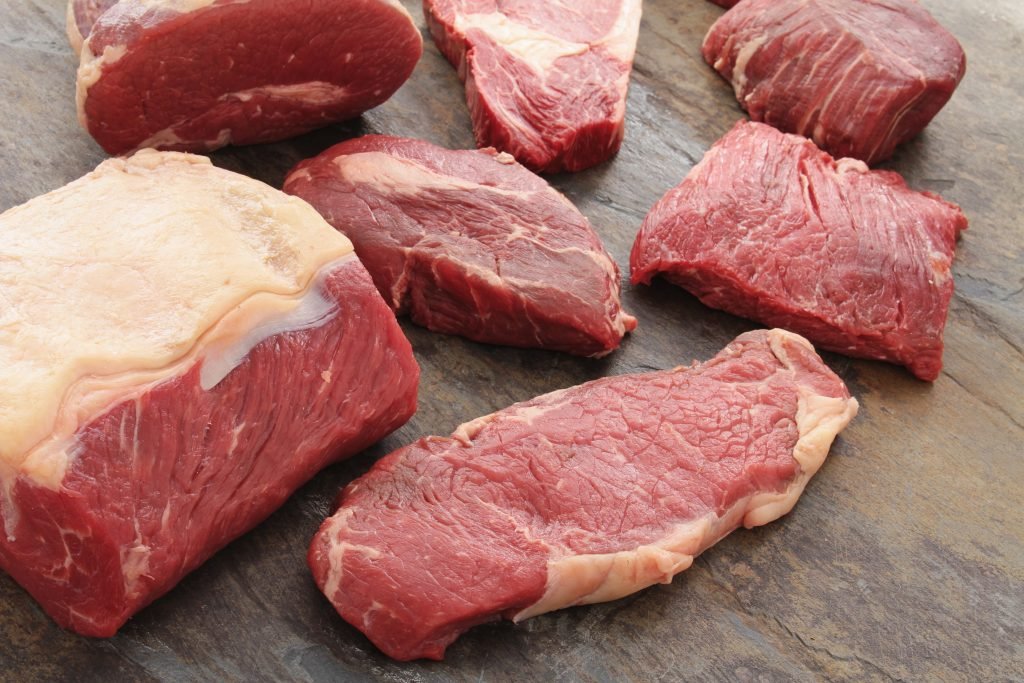
There’s no magic pill for fat loss, but there is a smarter way to get there: combine purposeful movement with food that actually supports your goals. Move Smarter, Eat Better isn’t a slogan — it’s a practical approach that focuses on protein-rich meals, hormonal awareness (especially during menopause), and an active lifestyle you can stick with long-term.
Protein: the unsung hero of weight loss
When you’re trying to lose fat, calories matter — but so does quality. Protein helps preserve muscle while you’re in a calorie deficit, keeps you fuller longer, and increases the number of calories your body burns during digestion. Aim for a protein source at each meal: think eggs, Greek yogurt, lean poultry, tofu, beans, or a scoop of whey/plant protein in a smoothie. A useful rule of thumb is to target roughly 20–40 grams of protein per meal depending on your size and activity level. Spread it evenly across the day instead of loading up all at once. Small swaps—like Greek yogurt for cereal or chicken for processed deli meats—add up and support both satiety and metabolic health.
Menopause and hormonal balance: adapt your strategy
Menopause brings changes that can affect weight: declining estrogen can shift fat distribution toward the midsection and slightly lower metabolic rate. This isn’t destiny; it’s a cue to adapt. Prioritize resistance training to maintain lean mass, which helps stabilize metabolism. Keep protein higher than you might have previously, and include healthy fats (avocado, nuts, olive oil) and fiber-rich veggies to support hormone production and blood sugar control. Sleep and stress management matter more than ever; poor sleep and chronic cortisol elevation can make fat loss harder. If symptoms are severe or weight shifts are dramatic, talk to a healthcare professional about testing and treatment options — hormone replacement therapy may be appropriate for some, but it’s a personal medical decision.
Fitness: move with purpose, not punishment
Forget extreme workouts you dread. The best program is the one you do consistently. Combine three elements: strength training 2–4 times a week to build muscle and strength; moderate aerobic activity like brisk walking or cycling for heart health and calorie burn; and short, higher-intensity bursts (HIIT) once or twice weekly if your body tolerates it. Non-exercise activity thermogenesis (NEAT) — the small movements throughout the day — is hugely underappreciated. Take the stairs, park farther away, stand or walk during phone calls. These little choices boost daily calorie burn without extra gym time.
Practical, sustainable tips
Create a modest calorie deficit (about 300–500 calories/day) rather than extreme restriction.
Meal prep protein-first meals to avoid impulse choices.
Track progress with measurements, clothes fit, and strength improvements, not just the scale.
Prioritize sleep, hydration, and stress reduction; all influence hormones and appetite.
Celebrate consistency over perfection; gains come from months of smart choices, not a few intense days.
Move smarter by prioritizing strength and daily activity; eat better by making protein central and dialing in whole foods. For women navigating menopause, tweak your approach to support shifting hormones. Keep it realistic, keep it enjoyable, and the results will follow.