
You don’t have to starve to lose fat. In fact, eating more — the right things, at the right times — often turns out to be the smartest way to slim down and keep it off. Let’s unpack three powerful pillars that make “eat more, weigh less” not just a slogan but a practical plan: protein-focused eating, navigating menopause and hormones, and staying active with fitness choices that work.
Protein: the silent fat-loss hero
Protein is a double-duty nutrient. It fills you up faster and longer than carbs or fat, which helps cut cravings and unnecessary snacking. It also raises the thermic effect of food — you burn more calories digesting protein — and, crucially, preserves lean muscle while you shed fat. Muscle keeps your resting metabolism humming, so protecting it means you keep burning more energy even between meals.
Aim for higher protein at each meal: eggs, Greek yogurt, lean poultry, fish, tofu, tempeh, beans, and cottage cheese are great choices. A practical target for many adults aiming to lose fat while protecting muscle: roughly 1.2–1.8 grams of protein per kilogram of bodyweight, adjusted for activity level. Spread protein across the day — a protein-rich breakfast shakes off mid-morning munchies — and pair it with fiber and healthy fats for steady blood sugar and better satiety.
Menopause: hormones, weight, and strategies
When estrogen declines during perimenopause and menopause, women commonly notice weight creep, especially around the midsection. Metabolism can slow, fat distribution shifts, and sleep disturbances or mood changes can make healthy habits harder to keep. This is not destiny, though; it’s an opportunity to adapt your approach.
Prioritize protein and resistance training to combat muscle loss and metabolic slowdown. Balance carbohydrates with fiber and protein to protect insulin sensitivity. Don’t underestimate sleep and stress management: poor sleep raises appetite hormones and stress boosts cortisol, which can promote belly fat. Consider foods rich in phytoestrogens (like soy and flax) and make sure calcium and vitamin D are adequate to protect bone health. For some women, talking to a healthcare provider about hormone replacement therapy is a valid option; it’s a personal decision best made with medical guidance.
Fitness and an active lifestyle: consistency wins
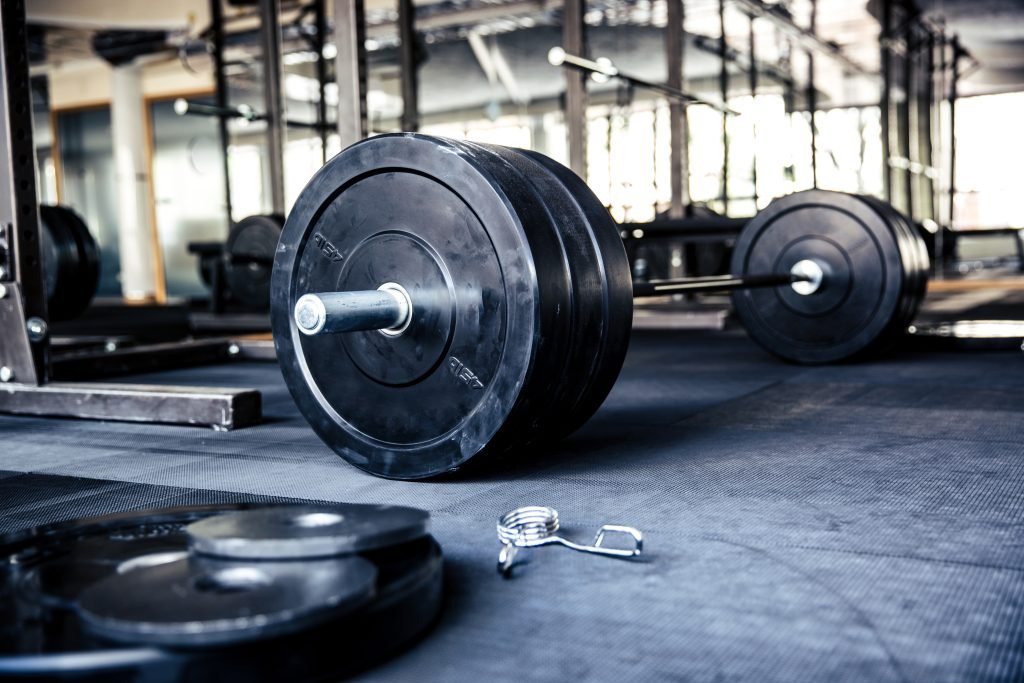
Exercise is where the “eat more” plan really pays off. Strength training is non-negotiable for fat loss that lasts — it builds muscle, improves strength, and changes body composition even if the scale doesn’t move dramatically. Aim for two to four sessions a week, focusing on compound movements (squats, deadlifts, presses, rows) and gradually increasing weight or reps.
Add cardio for heart health and calorie burn: brisk walking, cycling, or short high-intensity intervals can be effective and time-efficient. Most importantly, boost your NEAT (non-exercise activity thermogenesis) — the ordinary movement in daily life. Take stairs, walk during calls, and stand more. Micro-workouts sprinkled through the day add up.
Final, simple playbook
Eat protein first at meals. Lift heavy things twice a week. Sleep and manage stress. Move daily, not just in scheduled workouts. These small shifts compound into big changes. You can eat more of the right foods, feel satisfied, and steadily lose fat — without punishing hunger or giving up the foods and life you love.