
Imagine being told that you could eat more weigh less and it could actually help you lose weight. Sounds counterintuitive, but when “more” means the right calories, macronutrients, and movement, it’s spot on. The trick isn’t starvation—it’s strategy. Focus on high-quality protein, balance your hormones, especially during menopause, and build an active lifestyle that makes burning calories an effortless part of your day.
Protein is the unsung hero of weight loss. It fills you up faster and longer than carbs or fat, keeping cravings at bay and helping you naturally reduce calorie intake without misery. Beyond satiety, protein has a high thermic effect—your body uses more energy digesting protein than it does carbs. Crucially, when you lose weight, proper protein intake preserves lean muscle mass. That matters because muscle burns more calories at rest than fat. Aim to distribute protein across meals—think eggs or Greek yogurt at breakfast, a chicken or tofu salad at lunch, and fish or legumes for dinner. Simple swaps—cottage cheese for dessert, a scoop of protein in your smoothie—add up.
Menopause changes the playing field. As estrogen drops, many women notice stubborn weight gain, especially around the midsection. Metabolism slows, sleep can suffer, and insulin sensitivity may decline. The good news: nutrition and lifestyle can blunt these effects. Prioritize protein to protect muscle and stabilize blood sugar. Include healthy fats—avocado, olive oil, nuts—to support hormone production, and fiber-rich veggies to slow glucose spikes. Harsh calorie restriction can backfire by increasing stress hormones and further disrupting balance, so choose consistent, moderate deficits instead of crash diets.
Exercise is the multiplier. Strength training is non-negotiable for anyone who wants to eat more and weigh less. Lifting weights two to three times a week rebuilds strength, maintains muscle, and raises your resting metabolic rate. Don’t fear heavier lifts; progressive overload—gradually increasing resistance—yields steady results. Add interval cardio for efficient calorie burn and heart health. But remember non-exercise activity thermogenesis (NEAT): the tiny movements—walking meetings, taking the stairs, tidying the house—collectively torch calories. Aim for a mix: resistance sessions, short bursts of high-intensity work, and plenty of daily movement.
Practical hacks you can implement today: start breakfast with a protein-rich option to curb mid-morning snacking; prioritize sleep and stress management to keep hormones cooperative; swap processed snacks for fiber and protein combos like apple slices with almond butter; meal prep lean protein and roasted veggies so choices are easy; and track steps or stand up hourly to boost NEAT. For menopausal women, consider timing carbs around workouts, exploring phytoestrogen-rich foods like soy in moderation, and talking to a healthcare provider about personalized strategies if weight becomes especially stubborn.
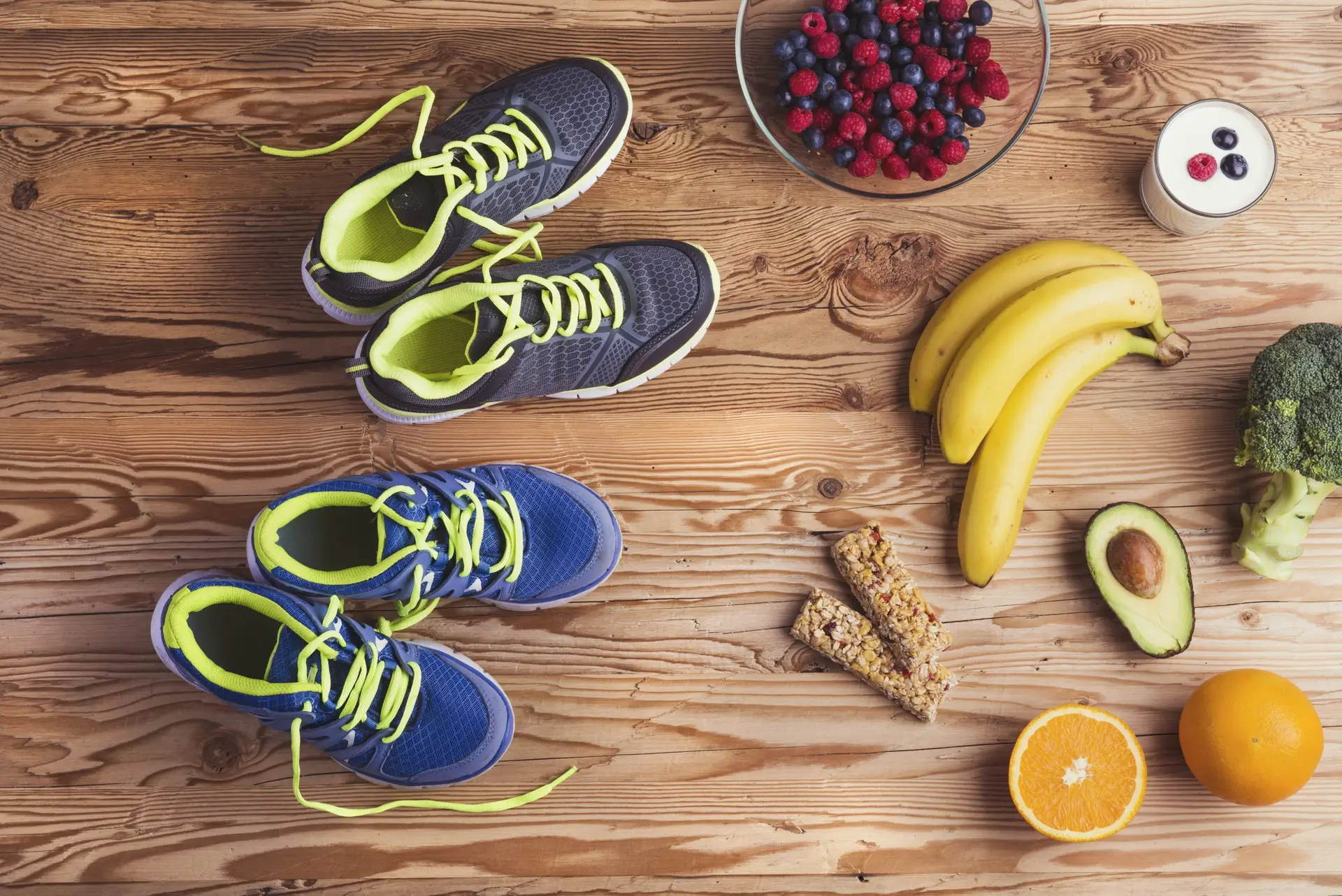
Eat more of the right things, lift to protect and build muscle, and move often. It’s not a quick fix—it’s a sustainable approach that respects your body’s needs, balances hormones, and makes weight loss feel less like deprivation and more like nourishment. Small changes add up. Try one new habit this week and watch how steady progress compounds into lasting change.