
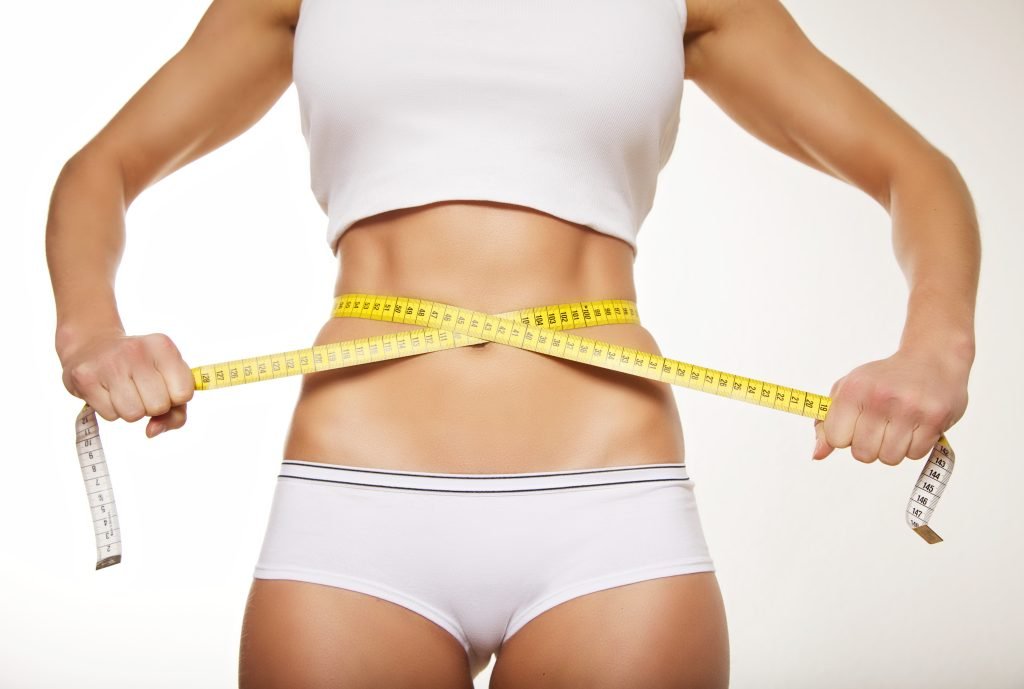
Let go of obsessing over bathroom-scale numbers and focus on the body you’re building. Real weight loss isn’t about punishment; it’s about preserving muscle, balancing hormones, and creating an active life you enjoy. That shift in mindset changes everything.
Protein is the unsung hero of sustainable weight loss. It helps you feel full, supports muscle repair after workouts, and raises the thermic effect of food so you burn more calories processing what you eat. Aim for a protein target tailored to your goals—roughly 1.2 to 1.6 grams per kilogram of bodyweight for most people cutting weight, and a bit higher if you’re training hard or older. Include a protein source at every meal: eggs, Greek yogurt, lean poultry, tofu, legumes, or a protein shake when time is tight. Don’t fear healthy fats or carbs; instead, anchor meals around protein and colorful vegetables so portions naturally fall into place.
If you’re navigating menopause, note that hormonal shifts complicate the picture. Declining estrogen can make fat redistribute toward the abdomen, blunt metabolic rate, and increase hunger for some people. But you don’t have to surrender to the change. Resistance training and adequate protein become even more important—building or maintaining muscle counteracts metabolic slowing and keeps strength intact. Also, prioritize sleep and stress management: cortisol spikes can worsen midline fat and sabotage fat loss efforts.
Exercise matters, but the type matters too. Strength training is non-negotiable for preserving muscle during weight loss. Two to four sessions per week focusing on compound movements—squats, deadlifts, rows, presses—gives you the biggest return for time invested. Add in low- to moderate-intensity cardio for heart health and energy expenditure, and mix in mobility work so your body moves well for life. Short, intense sessions and steady walks both have their place; the goal is consistency, not perfection.
An active lifestyle extends beyond the gym. Boost non-exercise activity thermogenesis (NEAT): take the stairs, park farther away, stand during phone calls, garden, dance in the kitchen. Small choices add up to meaningful calorie burn and make the process less reliant on long training sessions. Plus, moving more improves mood, sleep, and insulin sensitivity—all allies in sustainable weight management.
Practical habits beat extremes. Track meals loosely for awareness, prioritize protein, plan simple resistance workouts, and make sleep hygiene a priority. Hydrate. Eat whole foods most of the time but allow flexibility for social life. Celebrate strength gains and clothes that fit differently—these wins are more durable than a number on a scale.
Bottom line: drop the scale as your sole judge. Keep the gains—muscle, mobility, energy, confidence—by centering protein, respecting hormonal changes like menopause, and committing to an active, balanced lifestyle. Weight loss that sticks is less about quick fixes and more about designing habits you can sustain for years.
If you need structure, consider working with a coach or clinician for personalized targets, especially during menopause or if you have medical conditions. Small, consistent tweaks compound into big results. Be patient, track progress beyond pounds, and celebrate resilience every day.