
Everyone wants a quick fix: a magic diet, a supplement, or a secret workout. The truth is messier — and better. Lasting weight loss isn’t about chasing trends. It’s about sustainable choices that fit your life. Let’s bust the loudest myths and focus on what really moves the needle.
Myth: High-protein diets are just for bodybuilders. Reality: protein is a powerful ally in weight loss. Eating enough protein helps preserve muscle while you lose fat, keeps you fuller between meals, and modestly raises calorie burn through digestion. That doesn’t mean you must live on chicken breasts and protein shakes.
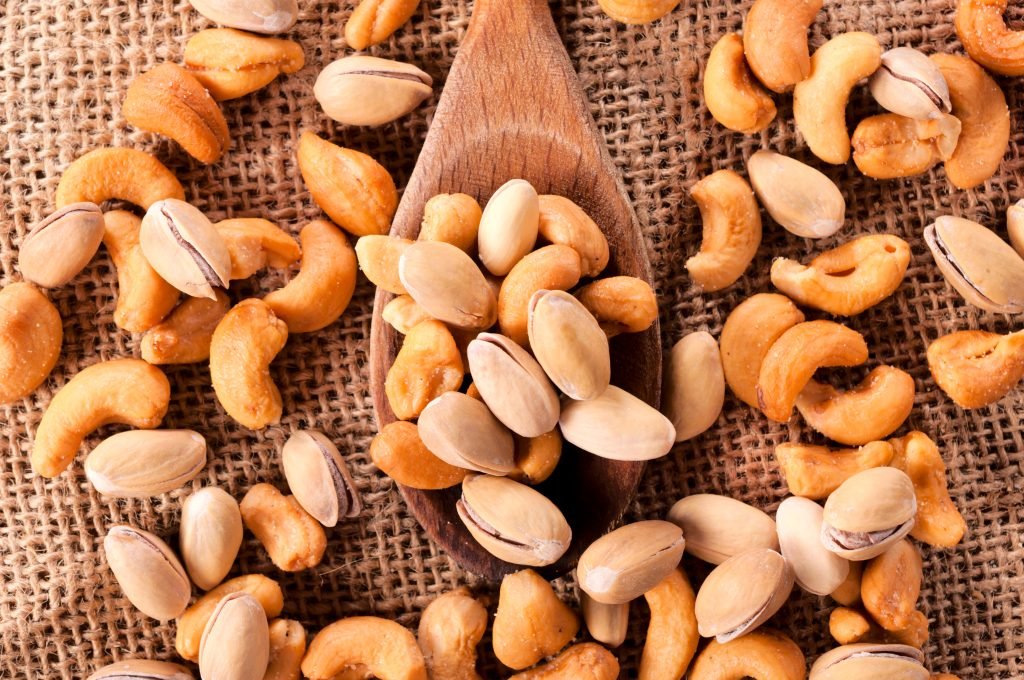
Diversity matters: lean meats, fish, eggs, dairy, legumes, tofu, and nuts all contribute. Aim for protein at each meal and distribute intake across the day; small, consistent portions beat a single giant serving. For many, a target of 20–30 grams per meal is practical, though needs vary by body size and activity. Balance is key — pair protein with vegetables, healthy fats, and whole grains to get nutrients and satiety without excess calories.
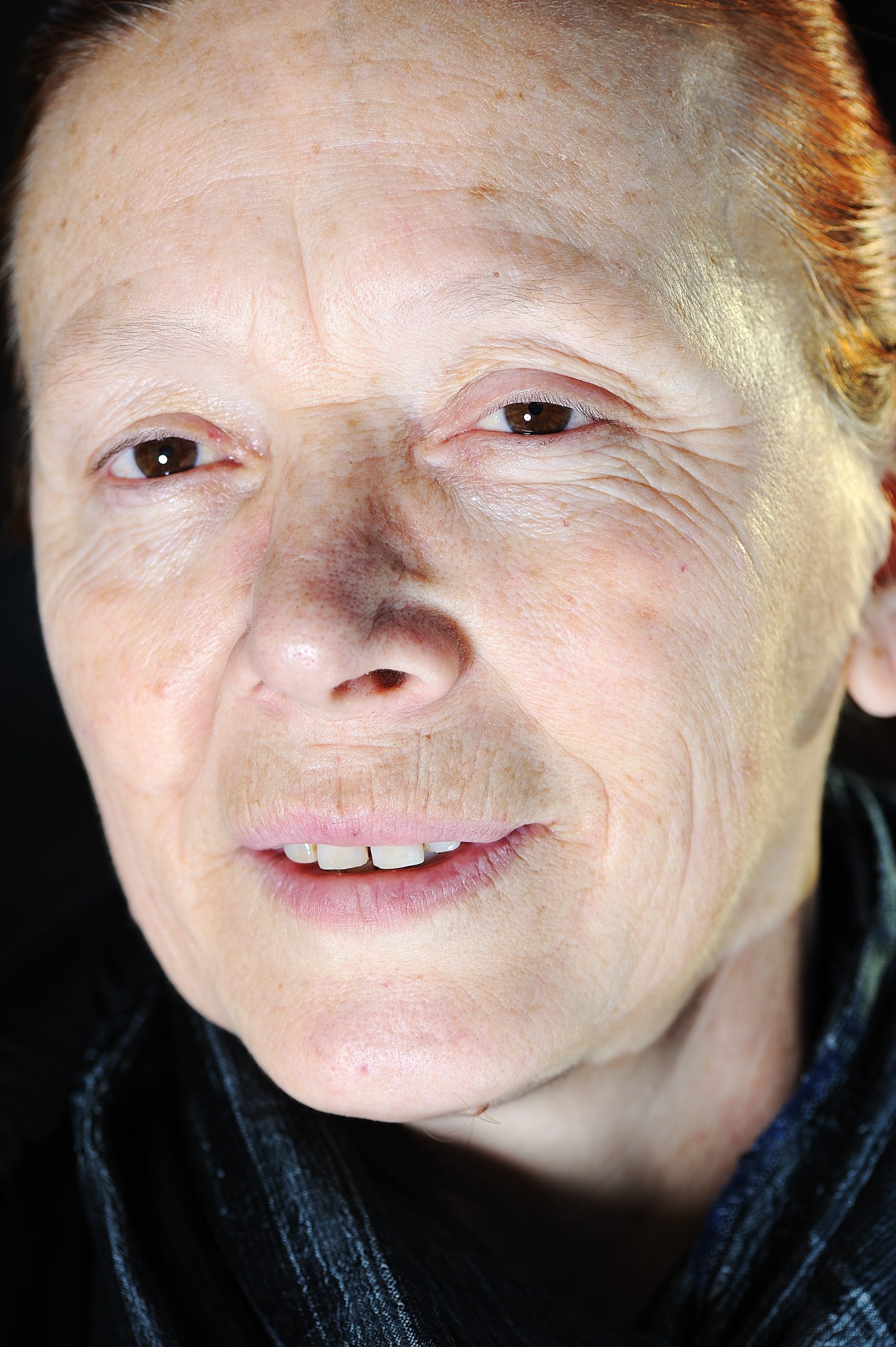
Menopause changes everything for many women. Hormonal shifts — especially falling estrogen — redistribute fat, slow metabolism slightly, and make muscle loss more likely. But menopause is not a sentence to inevitable weight gain.
Strategies that help include prioritizing resistance training to protect lean mass, boosting protein intake to support muscle synthesis, and managing sleep and stress because cortisol and poor rest amplify fat storage. Small changes in diet composition and exercise timing can minimize midlife weight creep. Talk with a healthcare provider about individualized approaches; for some, hormone replacement therapy may be a useful part of a broader plan.
Speaking of exercise: fitness is a non-negotiable ingredient for lasting change. Cardio burns calories and improves heart health, yes, but strength training rewires your body composition. Building even modest muscle increases resting metabolic rate and improves insulin sensitivity, making it easier to maintain weight loss.
The most effective fitness routines are the ones you’ll stick with. Mix brisk walking, cycling, or swimming with two to three weekly sessions of resistance work—bodyweight exercises, free weights, or machines. Include mobility and flexibility work so you feel good moving; enjoyment fuels consistency.
Beyond macronutrients and workouts, lifestyle choices seal the deal. Sleep quality, stress management, social support, and meal planning shape long-term outcomes. Habit stacking — pairing a new behavior with an existing routine — makes changes more durable. Celebrate small wins. If you lose weight slowly but keep it off, you’ve won.
Myths persist because quick fixes sell. But lasting weight loss is practical and plain: prioritize protein, respect hormonal life stages like menopause, and cultivate an active life that combines strength and cardio. No extreme rules, just steady habits. Start with one change this week—add a protein-rich breakfast, lift weights twice, or go to bed 30 minutes earlier—and build from there.
Small adjustments accumulate: track progress without obsession, be patient through plateaus, and celebrate non-scale victories like improved sleep, energy, and mood. Consistency beats perfection every time. Start today.