
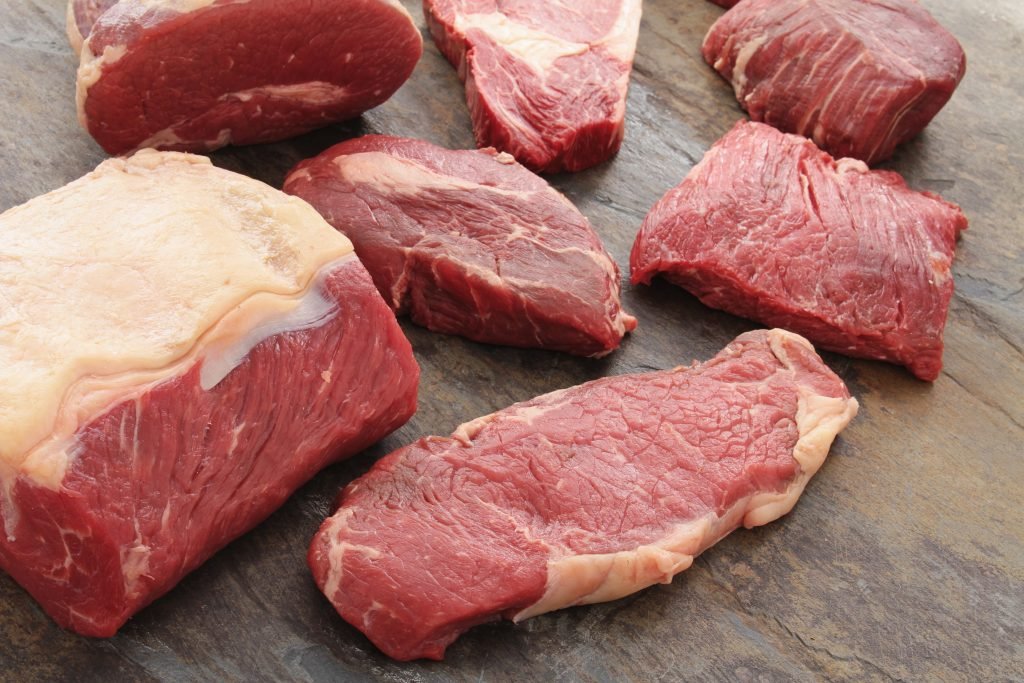
Transform your body starts with what you put on your plate with real life meal plans. If weight loss is the goal, prioritizing protein is one of the simplest, science-backed moves you can make. Protein increases satiety, boosts the thermic effect of food, and—critically—helps preserve muscle during calorie cuts. Aim for a protein source at every meal: eggs or Greek yogurt at breakfast, a chicken or tofu-based lunch, beans or fish for dinner, and protein-rich snacks like cottage cheese or a handful of nuts. For many adults, a practical target is roughly 0.6–0.9 grams per pound of body weight (1.2–2.0 g/kg), but individual needs vary based on activity level, age, and goals.
Menopause complicates the weight-loss picture. Declining estrogen shifts fat distribution toward the abdomen and can lower resting metabolic rate. Hormonal ups and downs also affect sleep, energy, and cravings—factors that make consistent eating and exercise harder. The good news: protein-rich meals and resistance training work together to counteract these changes. Increasing daily protein supports muscle mass, which in turn sustains metabolic rate, while strength work signals your body to keep and build lean tissue. Pay attention to sleep and stress management too; cortisol spikes sabotage progress and increase appetite for sugary, calorie-dense foods.
An active lifestyle amplifies dietary changes. Cardio burns calories and improves cardiovascular health, but resistance training is the cornerstone when preserving muscle and reshaping the body. Combine the two: two to three resistance sessions per week plus two to three moderate cardio or interval workouts creates a balanced routine. Don’t forget NEAT—non-exercise activity thermogenesis—tiny choices like taking stairs, pacing during phone calls, or standing while working all add up.
Real-life meal plans should be simple, sustainable, and flexible. Here are sample building blocks rather than rigid menus: breakfasts that pair protein with fiber (Greek yogurt with berries and a sprinkle of oats); lunches that balance lean protein, veggies, and whole grains (grilled salmon over mixed greens with quinoa); dinners that prioritize vegetables and a palm-sized portion of protein (stir-fried tofu with broccoli and brown rice); snacks such as hard-boiled eggs, edamame, or a small handful of almonds. Hydration matters—water helps regulate appetite and supports workouts.
Small habits compound. Track how food makes you feel, not just the numbers on the scale. Swap one simple carbohydrate for a protein-rich alternative at your most challenging meal. Add a 15-minute walk after dinner. Schedule two weekly strength sessions and build from there. For women navigating menopause, work with a healthcare provider to monitor hormones and discuss personalized strategies, which might include dietary tweaks, targeted supplements, or therapeutic interventions.
From the plate to the gym to daily movement, consistency beats perfection. Build protein-forward meals, respect hormonal realities, and prioritize movement. Progress is slow, sometimes uneven—but steady choices create lasting transformation. Celebrate small wins: fit into a favorite pair of jeans, lift a heavier weight, or sleep through the night. These milestones are proof that plate-centered strategies plus consistent activity deliver more than a slimmer silhouette—they restore confidence, vitality, and long-term health worth pursuing today.