

Think weight loss myths is all about willpower or the latest miracle pill? Think again. Real progress comes from understanding how your body works, not chasing one-size-fits-all fads. Let’s bust some myths and map out smart, sustainable strategies that actually move the needle.
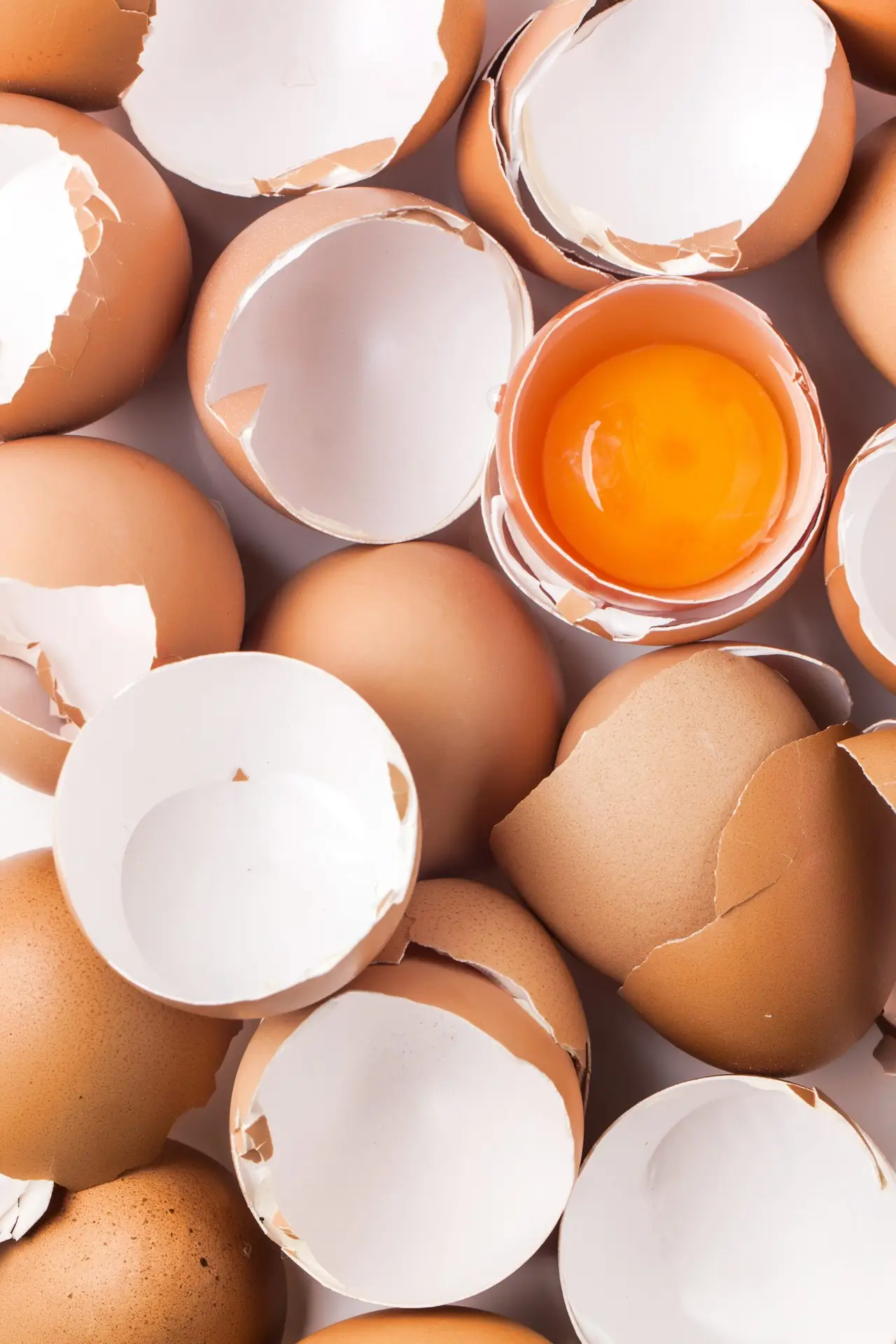
Protein isn’t a magic bullet, but it’s one of the simplest, most powerful tools in your toolbox. High-protein diets help with satiety—meaning you feel fuller longer—so you naturally eat fewer calories without constant hunger. More importantly, adequate protein protects lean muscle when you’re in a calorie deficit, which preserves metabolic rate and helps maintain strength. Aim to front-load your day with protein-rich choices: eggs or Greek yogurt for breakfast, grilled chicken or legumes for lunch, and a balanced portion again at dinner. If you lift weights, slightly higher intakes are helpful; if you’re less active, moderate amounts still support health and weight regulation. Remember: quality matters. Combine complete proteins with fiber and healthy fats to stabilize blood sugar and curb cravings.

Menopause throws a curveball into otherwise familiar weight patterns. Declining estrogen shifts fat distribution toward the abdomen, and many women notice a slowdown in metabolism and a harder time losing weight. That doesn’t mean it’s impossible—it means your approach needs to evolve. Resistance training becomes crucial; building and preserving muscle counteracts metabolic decline. Prioritize sleep and stress management, too. Poor sleep raises appetite-regulating hormones and spikes cravings, while chronic stress elevates cortisol, which encourages fat storage. For some, hormone replacement therapy (HRT) can ease symptoms and support weight management—discuss options with your healthcare provider rather than relying on internet anecdotes. Above all, be patient: small, consistent changes yield better long-term results than drastic diets that aren’t sustainable.
Fitness and an active lifestyle aren’t interchangeable, but they play off each other beautifully. Exercise builds cardiovascular fitness, strength, and confidence; everyday movement—NEAT, or non-exercise activity thermogenesis—burns calories quietly all day long. Don’t restrict activity to the gym. Walk more, take the stairs, stand up during calls, play with your kids—these tiny choices add up. When you do formal workouts, blend resistance sessions with aerobic work: lift weights 2–4 times per week to preserve muscle and metabolic health, and mix steady-state cardio with brief high-intensity intervals to boost calorie burn and time efficiency.
Finally, ditch the all-or-nothing mentality. Spot reduction is a myth; there’s no exercise that melts fat from a specific body part. Likewise, extreme calorie cutting often backfires, leading to energy crashes and muscle loss. Instead, set realistic goals: a modest calorie deficit, regular protein at meals, two to four strength sessions a week, and daily movement. Track progress with measurements and how clothes fit, not only the scale. Celebrate non-scale victories—more energy, better sleep, stronger lifts.
Weight loss isn’t about cracking a secret code. It’s about merging science-backed nutrition, hormonal awareness, and consistent activity into a lifestyle you can sustain. Start with one small change today—add a protein-rich breakfast or take a 20-minute walk—and build from there.