
You don’t need a drastic overhaul to see steady fat loss and melt pounds—small, science-backed habit shifts stack up into big change. Here are 10 tiny tweaks that nudge your metabolism, stabilize hunger signals, and make movement feel less like punishment and more like a lifestyle.
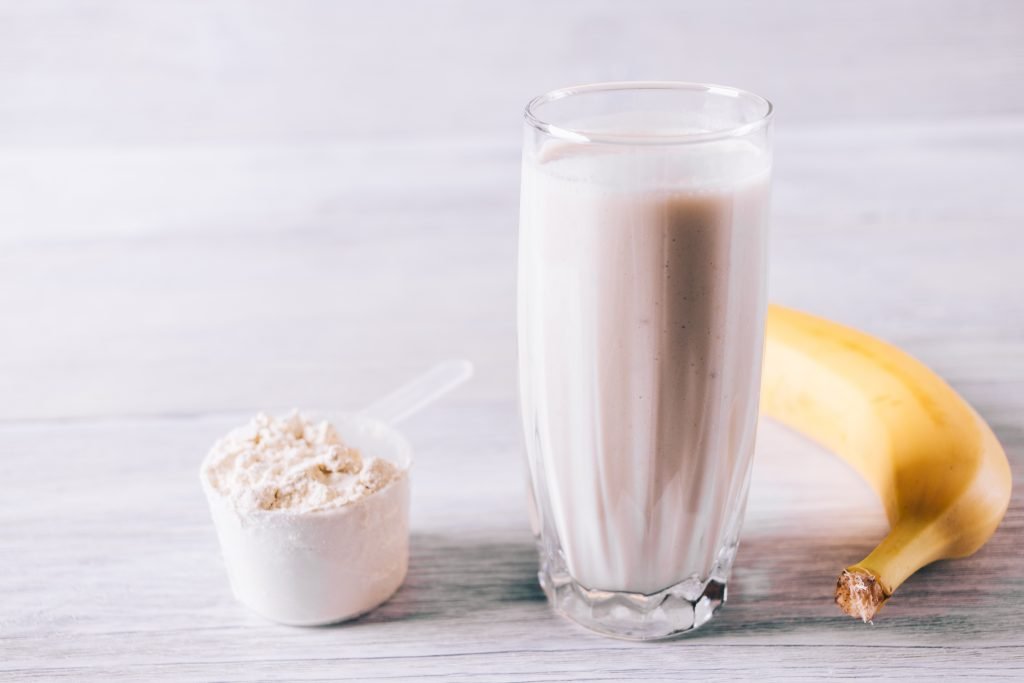
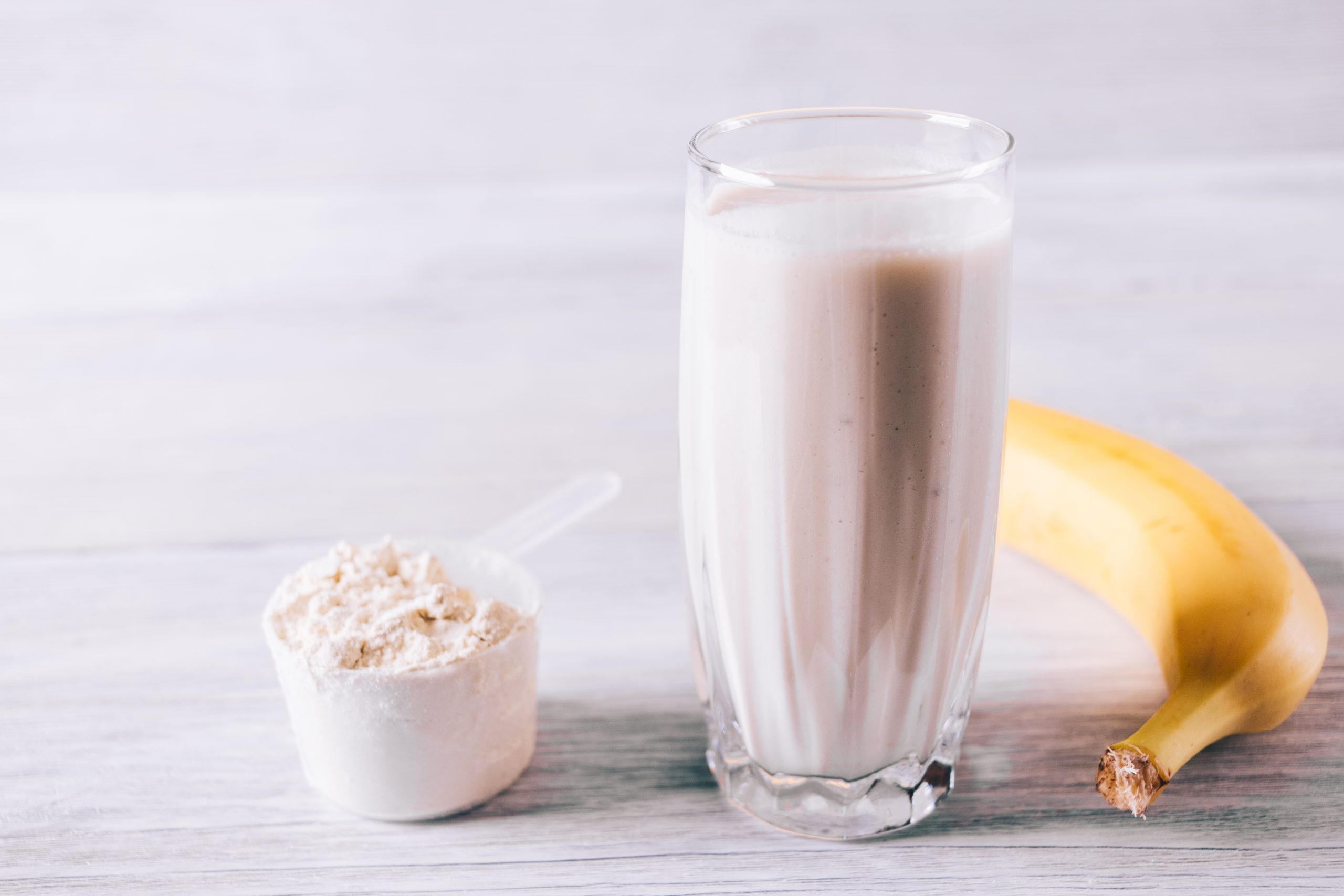
1) Start with protein at breakfast. Swapping pastries for a high-protein breakfast (eggs, Greek yogurt, or a protein smoothie) curbs mid-morning cravings and boosts satiety. Research links higher protein intake with reduced calorie consumption over the day and better body composition.
2) Make every snack protein-forward. Replace carb-heavy snacks with handfuls of nuts, cottage cheese, or jerky. Smaller, protein-rich bites blunt blood sugar swings and preserve muscle—both key for long-term fat loss.
3) Spread protein evenly across meals. Instead of one protein-heavy dinner, aim for 20–30 g at each meal. Muscle protein synthesis responds better to evenly distributed protein, helping you retain lean mass as you lose weight.
4) Add two short strength sessions weekly. You don’t need hours in the gym—two 20–30 minute sessions focusing on compound moves (squats, deadlifts, push-ups) build muscle, which raises resting calorie burn. Strength training also offsets the muscle loss that often comes with aging and menopause.
5) Walk after meals. A 10–15 minute post-meal stroll improves blood sugar control and digestion, and it’s an easy way to add low-intensity cardio that accumulates without feeling like a formal workout.
6) Prioritize consistent sleep. Hormones that govern appetite and fat storage—ghrelin, leptin, cortisol—are sensitive to sleep disruption. Aim for a steady bedtime routine; even modest improvements in sleep quality can help reduce late-night snacking and support metabolic health.
7) Manage stress with micro-practices. Chronic stress elevates cortisol, which can promote abdominal fat. Tiny habits—two minutes of deep breathing, a 5-minute stretch break, or a brief walk outdoors—lower stress markers and interrupt stress-eating cycles.
8) Move often: embrace NEAT. Non-exercise activity thermogenesis—fidgeting, standing, walking to the printer—adds up. Set a timer to stand and walk for a few minutes each hour. Over weeks, these small movements burn meaningful calories and keep momentum.
9) Tune into hormonal shifts, especially around menopause. Perimenopause and menopause change how your body stores fat and responds to insulin. Track symptoms, adjust training intensity, and prioritize protein and strength work. If weight gain feels sudden or resistant, check in with a healthcare provider about hormone balance and tailored strategies.
10) Build a tiny, sustainable routine. Pick one change to lock in for two weeks—maybe the post-meal walk or protein snacks—then add the next. Consistency beats intensity. Small wins compound into new identity: the kind of person who chooses protein, moves regularly, sleeps well, and responds to hormone shifts with smart tweaks rather than frustration.
Lose weight without sabotage: modest, repeatable habits win. Science shows that protein, resistance training, sleep, stress management, and regular movement form a practical toolkit—especially for midlife bodies navigating hormonal change. Start small, be patient, and let these tiny tweaks do the heavy lifting.